By the Marrium Surgical Pvt Ltd team 21 October 2026 5 min read
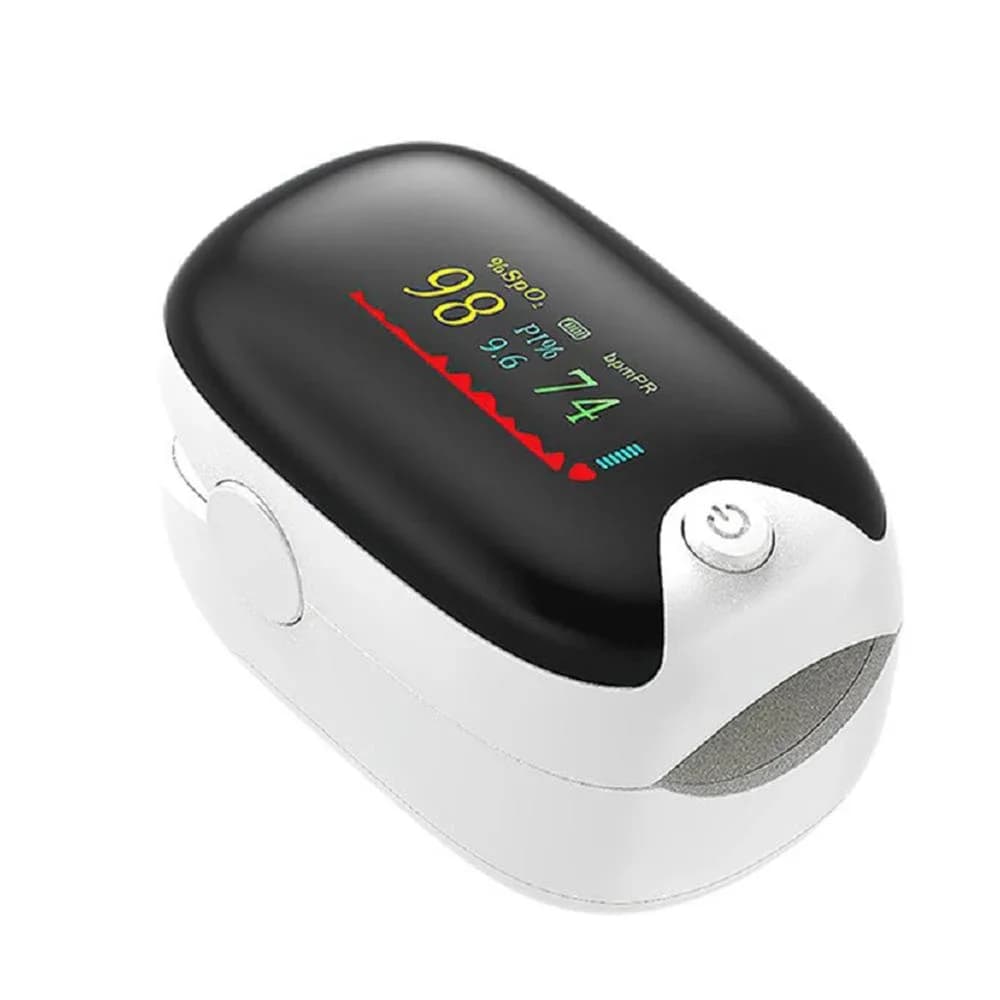
A fingertip pulse oximeter is a small, affordable device that shows a person’s blood oxygen level and pulse rate in seconds. It is one of the most useful tools for families caring for a patient on oxygen or recovering from a chest illness at home.
Here is how to use one correctly and what the numbers mean. Your doctor will tell you the target range for your patient.
What it measures
- SpO₂: the percentage of oxygen in the blood.
- Pulse rate (PR): heartbeats per minute.
- Some models, such as the Physiogic AD901, also show a pulse wave, which helps you see whether the reading is steady.
How to get an accurate reading
- Sit the patient down and let them rest for a few minutes first.
- Warm cold hands, and remove nail polish or false nails from the finger you use.
- Place the finger fully into the clip, nail facing up. The index or middle finger usually works best.
- Keep the hand still, resting at heart level, for at least 30 seconds to a minute.
- Wait until the numbers stop changing and the pulse wave is steady, then note the reading.
What the numbers mean
In healthy adults, SpO₂ is usually 95% or above. Some patients, for example with long-term lung disease such as COPD, may have a lower target set by their doctor, often around 88–92%. Always ask the doctor what range is right for your patient and when to call them.
Many doctors advise seeking medical help if a reading falls to 92% or below (unless they have given you a different target), or if it is dropping compared with the patient’s usual readings.
What can affect accuracy
- Cold hands, poor circulation or shivering.
- Movement during the reading.
- Nail polish, false nails or a dirty sensor.
- Bright light shining directly on the sensor.
- Skin pigmentation: studies show oximeters can overestimate oxygen levels in people with darker skin, so pay attention to symptoms as well as numbers.
Trust the symptoms, not just the number
Seek medical help urgently if the patient is very breathless, cannot speak in full sentences, is confused or drowsy, has bluish lips or chest pain, even if the oximeter reading looks normal. In an emergency in Karachi, call an ambulance such as Edhi (115) or Aman (1021).
Keep a simple log
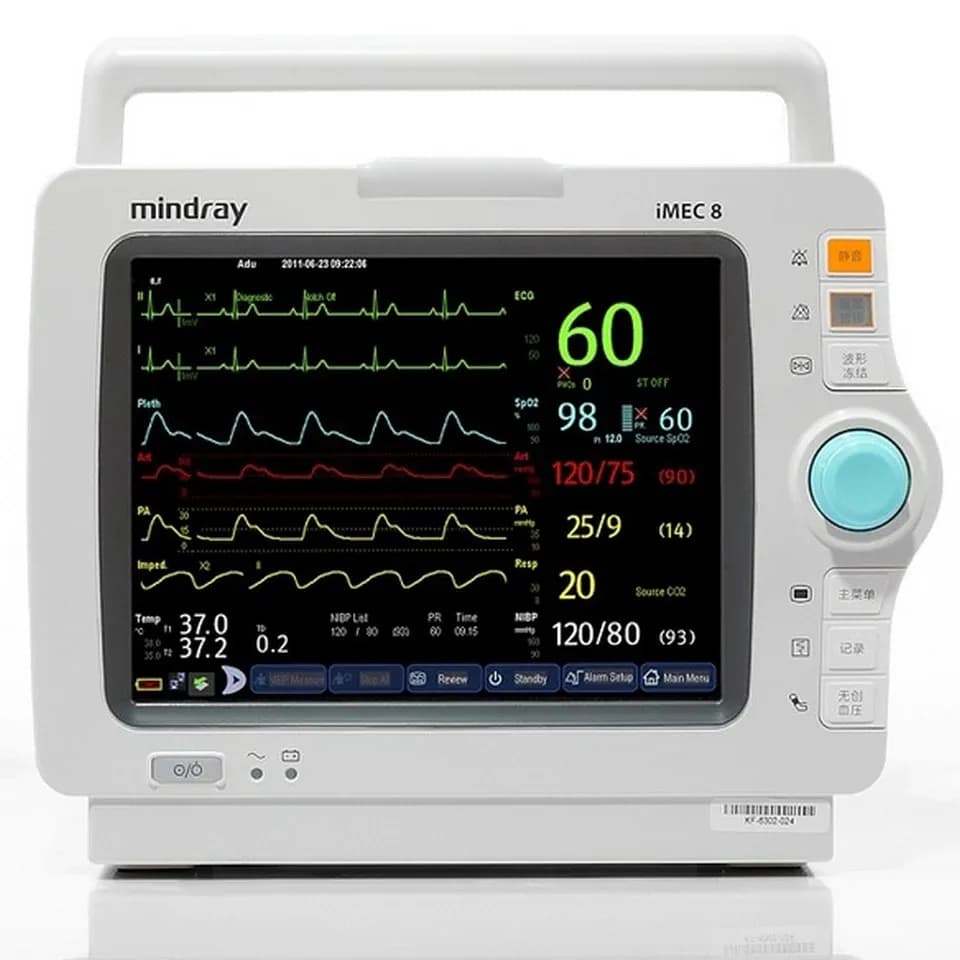
Write down readings at the same times each day, with the oxygen flow the patient was on. A log helps the doctor see trends and adjust treatment. For patients who need continuous monitoring, a patient monitor tracks oxygen, pulse and other vital signs around the clock.
Frequently asked questions
For most healthy adults it is 95% or above. Some patients with long-term lung conditions have a lower target set by their doctor, so always check the right range for your patient.
Movement, cold fingers, nail polish and bright light can all change the reading. Rest, keep the hand still and warm, and wait until the number settles.
It is very useful. It lets you check that the prescribed oxygen is working and spot problems early, such as during a power cut. Ask the doctor what readings to watch for.
This article is general information, not medical advice. Always follow the advice of the patient’s doctor or healthcare professional.
Need equipment or advice?
Our team is available 24/7 and delivers across Karachi.