By the Marrium Surgical Pvt Ltd team 21 October 2026 6 min read
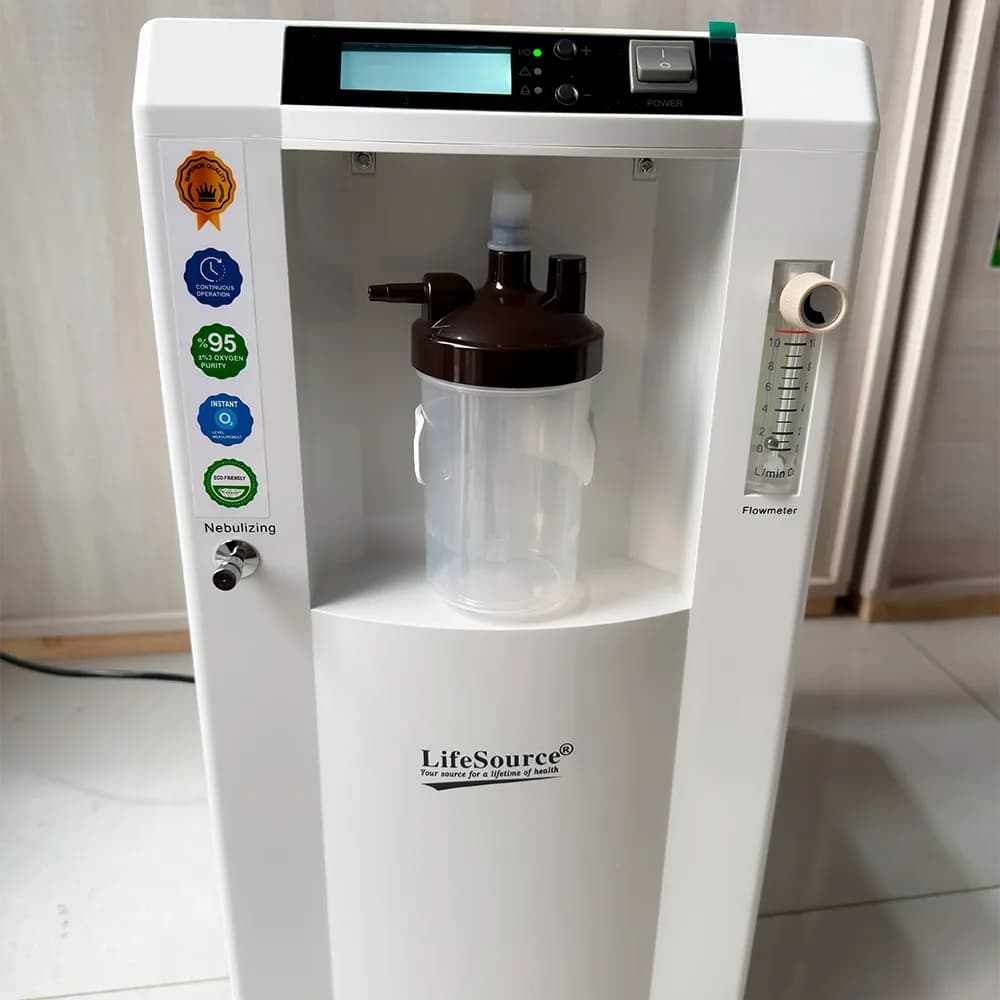
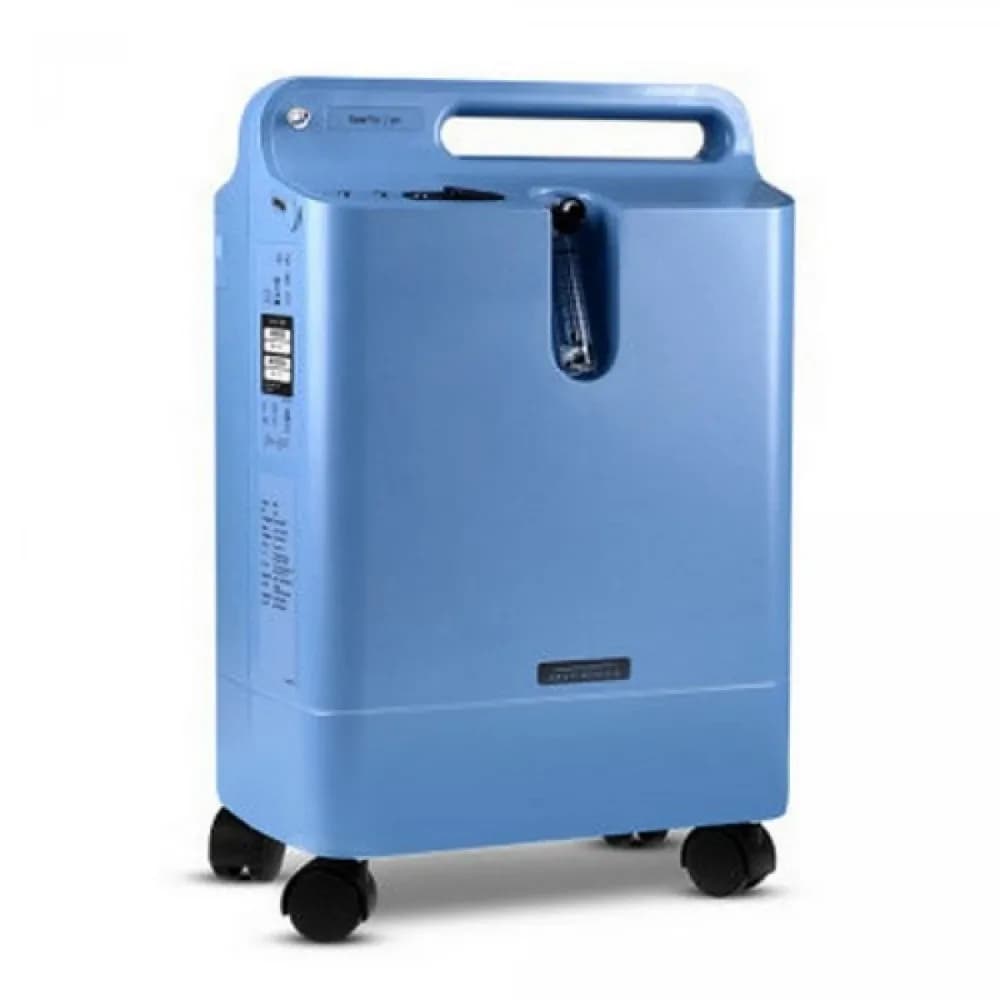
An oxygen concentrator is simple to use once it is set up properly, but the first day can feel daunting. This step-by-step guide walks you through setting it up, using it safely every day, and what to do when an alarm sounds.
Always use the oxygen flow your doctor has prescribed, and follow the instructions that come with your model.
Step 1: Choose the right spot
- Place the concentrator in a well-ventilated room, at least 30 cm (about 1 foot) from walls, curtains and furniture, so it can draw in air and stay cool.
- Keep it away from heaters, stoves, candles and direct sunlight.
- Plug it straight into a wall socket. Avoid extension leads and multi-plugs, which can overheat.
- Keep a backup oxygen cylinder nearby for power cuts.
Step 2: Prepare the humidifier (if prescribed)
If the doctor has asked for humidified oxygen, fill the humidifier bottle with distilled or boiled-and-cooled water up to the marked line, screw it on firmly, and connect it to the oxygen outlet. Humidification helps stop the nose from drying out at higher flows.
Step 3: Switch on and set the flow
- Switch the concentrator on. Most models take a few minutes to reach full oxygen purity, so wait before relying on it.
- Turn the flow knob until the ball in the flowmeter sits on the prescribed number of litres per minute. Read it at eye level, at the middle of the ball.
- Never change the flow without your doctor’s advice. More oxygen is not always better, especially for some COPD patients.
Step 4: Fit the nasal cannula
- Connect the tubing to the outlet (or the humidifier), then place the two prongs gently into the nostrils, curved side down.
- Loop the tubing over the ears and slide the toggle under the chin until it is snug but comfortable.
- To check oxygen is flowing, hold the prongs near a glass of water and look for bubbles, or feel the air on your hand.
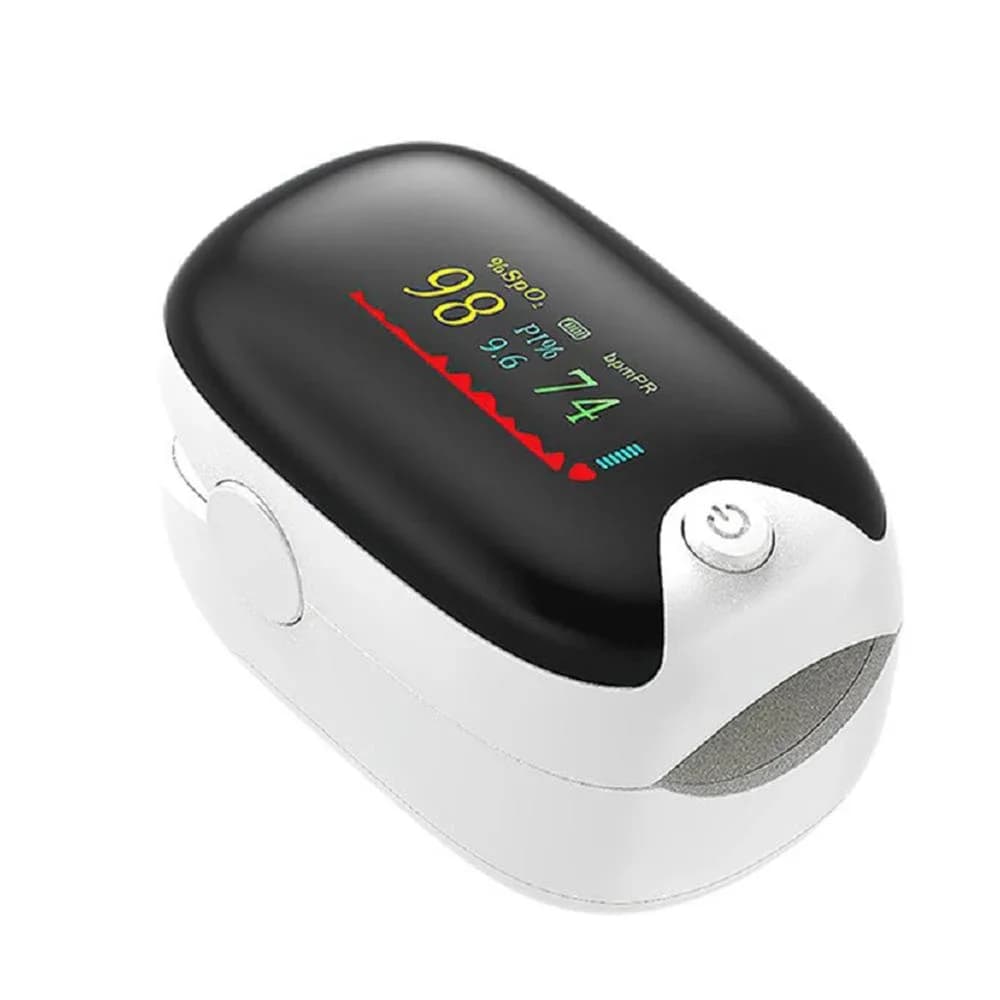
- Check the patient’s oxygen level with a pulse oximeter as the doctor advises. Our pulse oximeter guide explains how.
What to do when an alarm sounds
If the patient becomes breathless, confused or drowsy, switch to the backup cylinder and contact the doctor straight away.
| Alarm or problem | What to check |
|---|---|
| Power failure alarm | Switch the patient to the backup cylinder, then check the plug, socket and fuse. |
| Low oxygen alarm | Switch to the backup cylinder and call your supplier. The machine may need service. |
| Low flow or no flow | Look for kinked or disconnected tubing, and check the humidifier lid is screwed on firmly. |
| Machine very hot or noisy | Check it has space around it and the air filter is clean. If it persists, call your supplier. |
Daily and weekly care
- Daily: empty, rinse and refill the humidifier bottle with fresh water.
- Weekly: if your model has a washable air filter, rinse it and let it dry completely before refitting.
- Replace the nasal cannula and tubing regularly, and straight away if they become stiff, cracked or dirty.
- Wipe the outside of the machine with a damp cloth. Never spray liquids into it.
Fire safety with oxygen
- Never smoke, or let anyone smoke, near the patient or the concentrator.
- Keep the patient and the tubing at least 2 metres from open flames, gas stoves and heaters.
- Do not use oil-based creams or petroleum jelly on the face; use a water-based moisturiser instead.
- Put a “No smoking: oxygen in use” sign on the door.
Frequently asked questions
It starts delivering air straight away, but most concentrators take a few minutes to reach full oxygen purity. Check your model’s instructions.
It is best not to. Plug the concentrator directly into a wall socket, because extension leads and multi-plugs can overheat with its power draw.
Check the flow is switched on, the lid is screwed on firmly, and the tubing is not kinked or disconnected. If it still does not bubble, call your supplier.
This article is general information, not medical advice. Always follow the advice of the patient’s doctor or healthcare professional.
Need equipment or advice?
Our team is available 24/7 and delivers across Karachi.