By the Marrium Surgical Pvt Ltd team 21 October 2026 7 min read
After a stroke, much of the recovery happens at home. Patients may have weakness on one side, difficulty walking or swallowing, or need help with everyday tasks. With the right equipment and routines, families can keep the patient safe and support their recovery.
Every stroke is different. Follow the plan from the patient’s doctor, physiotherapist and nurse, and use this guide as a practical companion.
Equipment that helps after a stroke
| Need | Helpful equipment |
|---|---|
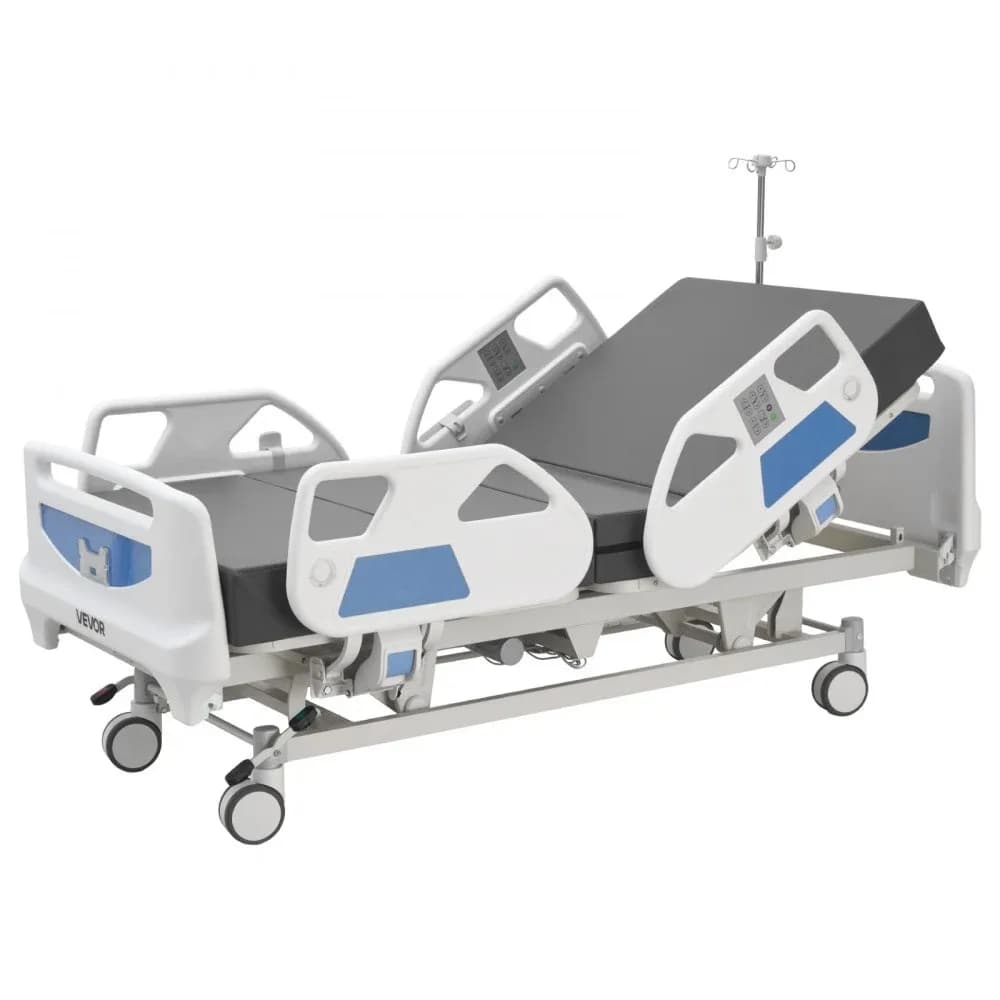
| Safe sleeping and positioning | Hospital bed with side rails, raised for caregiving |
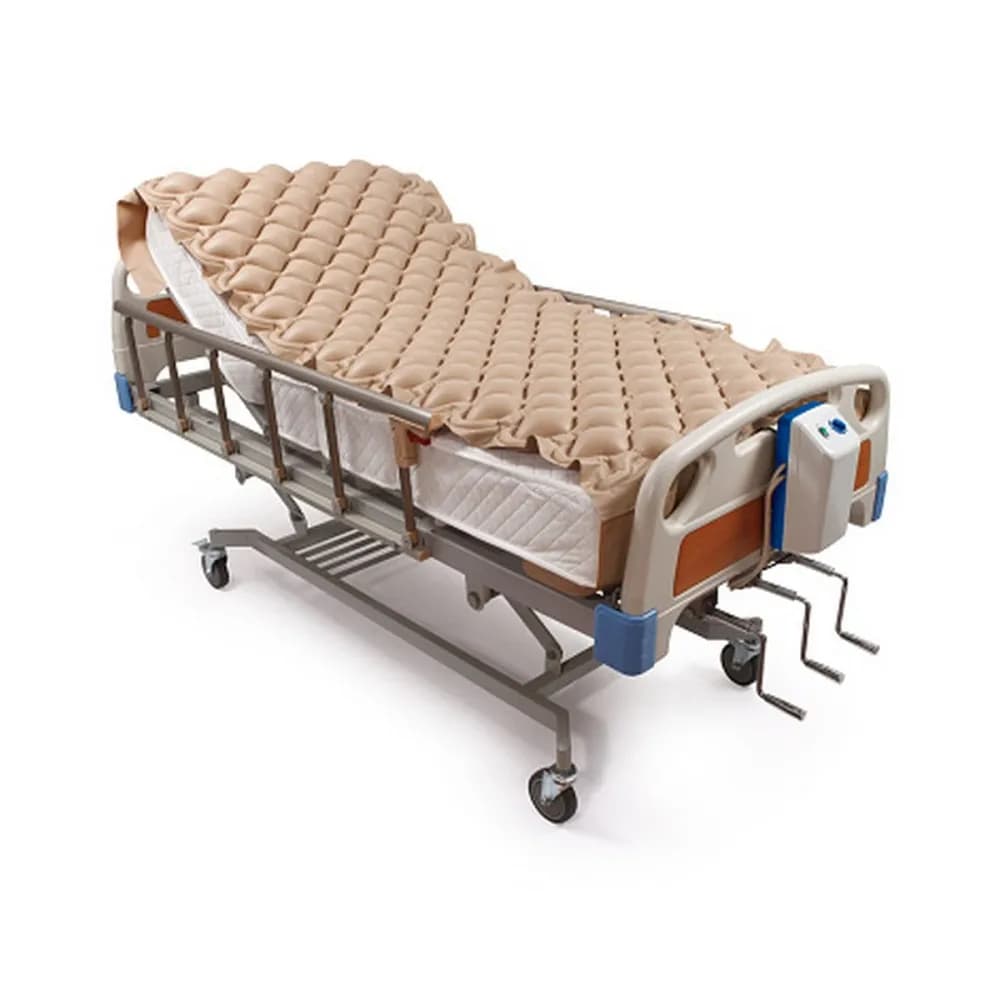
| Preventing bedsores | Air mattress plus regular turning |
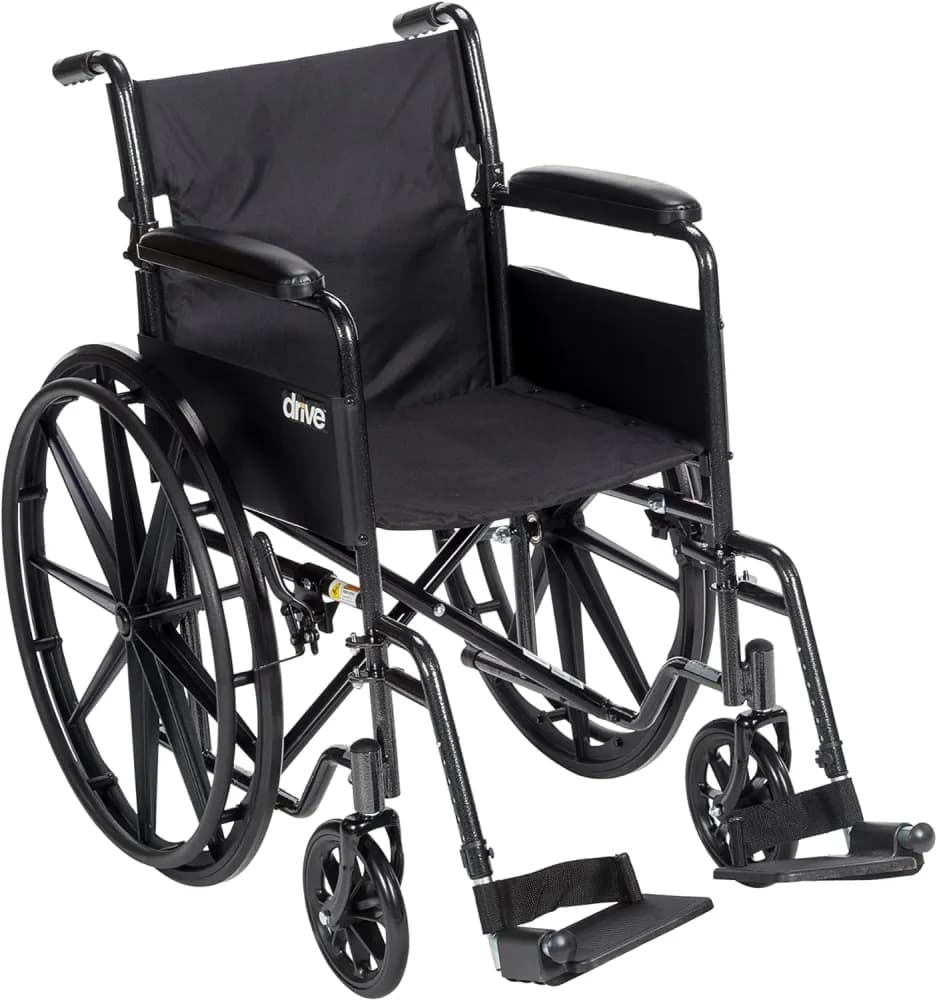
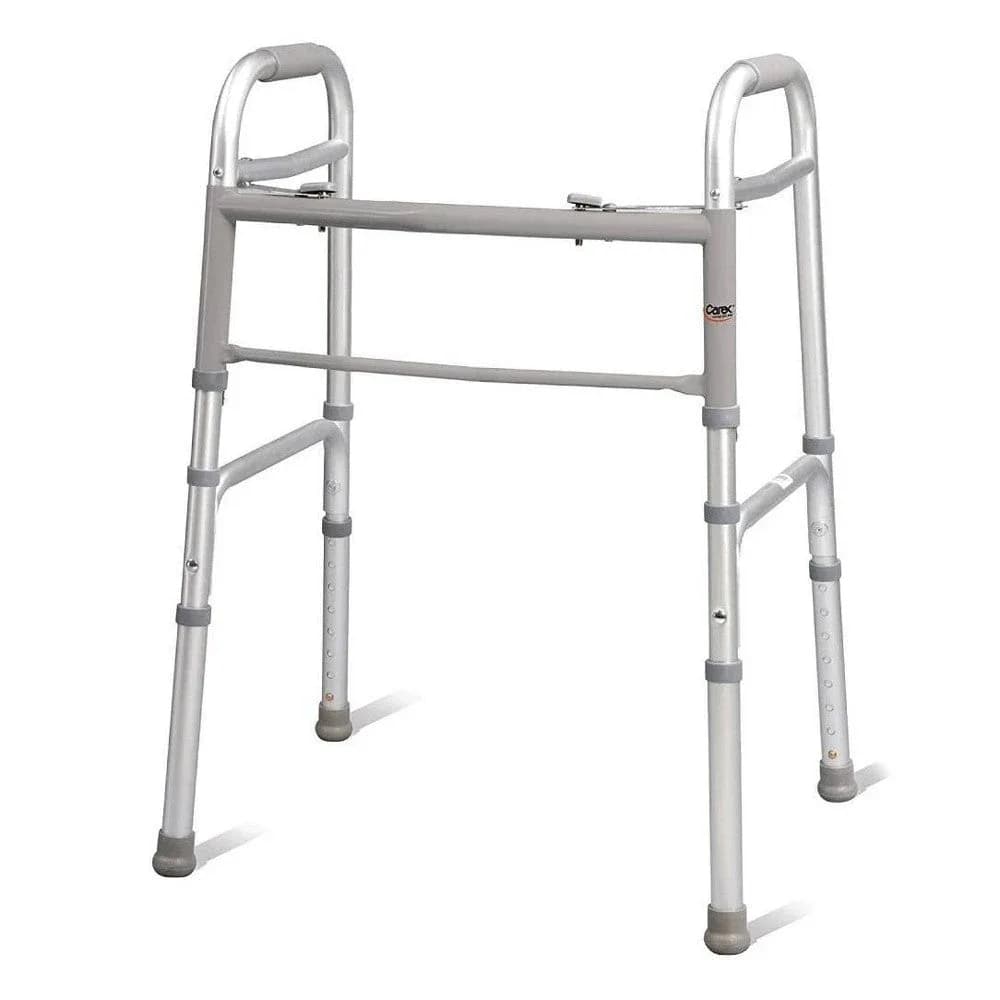
| Getting around | Wheelchair or walker, as the physiotherapist advises |
| Toileting safely | Commode chair at the bedside |
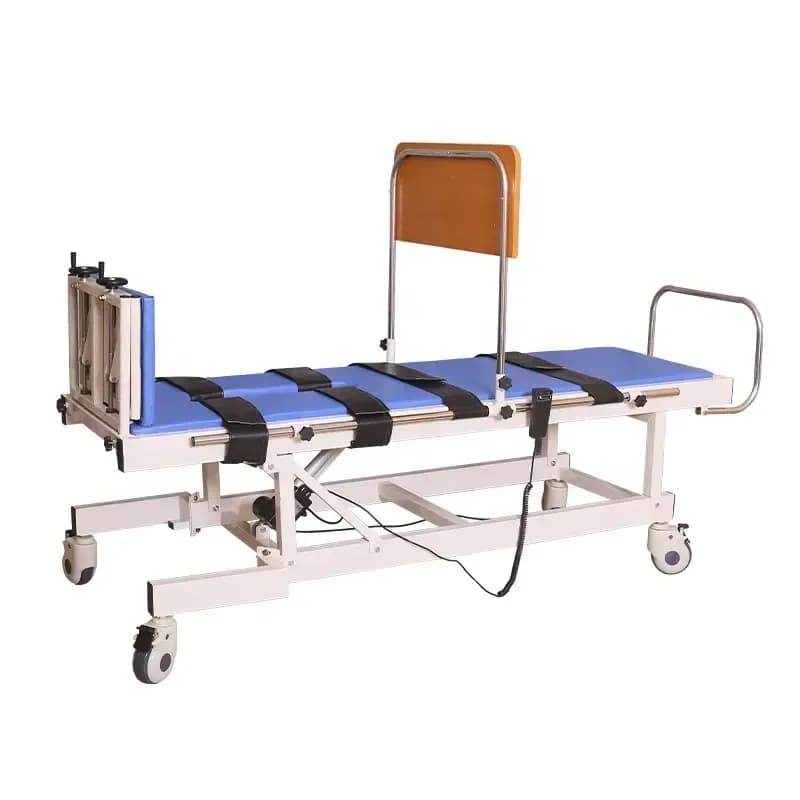
| Standing practice | Tilt table, under a physiotherapist’s guidance |
| Meals in bed | Overbed table |
Positioning and preventing bedsores
- Change the patient’s position regularly as the nurse advises; many advise about every 2 hours for patients who cannot move themselves.
- Support the weak arm on a pillow so the shoulder is not pulled down, and avoid pulling on the weak arm when moving the patient.
- Check the skin daily over the hips, heels, tailbone and shoulder blades. Read our guide to preventing bedsores at home.
Eating and drinking safely
Many stroke patients have difficulty swallowing, which can cause choking or chest infections. Follow the swallowing advice from the hospital team exactly: sit the patient fully upright for meals and for 30 minutes afterwards, give small mouthfuls, and use thickened drinks if advised.
If the patient is fed through a tube, a feeding pump delivers the feed at the rate the doctor or dietitian prescribes.
Preventing falls
- Keep floors clear of rugs, wires and clutter, and add a night light between the bed and the bathroom.
- Lower the bed to its lowest height when the patient is resting, and lock the wheels.
- Approach and assist from the patient’s weaker side, as the physiotherapist shows you.
- Use a commode at night instead of walking to the bathroom.
Keep up the exercises
Regular physiotherapy is one of the most important parts of stroke recovery. Practise the exercises the physiotherapist sets every day, and encourage the patient to do as much for themselves as is safe. Equipment such as a tilt table or walker should be used under the physiotherapist’s guidance.
Know the warning signs of another stroke
Remember FAST: Face drooping, Arm weakness, Speech difficulty, Time to call for help. If you see any of these, or sudden severe headache, confusion or loss of balance, call an ambulance immediately (for example Edhi 115 or Aman 1021 in Karachi). Every minute counts.
Look after the caregiver too
Caring for a stroke patient is demanding. Share the work among family members, use equipment that makes lifting and moving easier, and ask the doctor about home nursing or physiotherapy visits if you need more help.
Frequently asked questions
It depends on the patient, but common items are a hospital bed, an air mattress, a wheelchair or walker, a commode chair and an overbed table. The hospital team and physiotherapist can advise what your patient needs.
Many families rent at first, because needs change quickly during recovery, and buy only the items the patient will need long term.
This article is general information, not medical advice. Always follow the advice of the patient’s doctor or healthcare professional.
Need equipment or advice?
Our team is available 24/7 and delivers across Karachi.