By the Marrium Surgical Pvt Ltd team 21 October 2026 5 min read
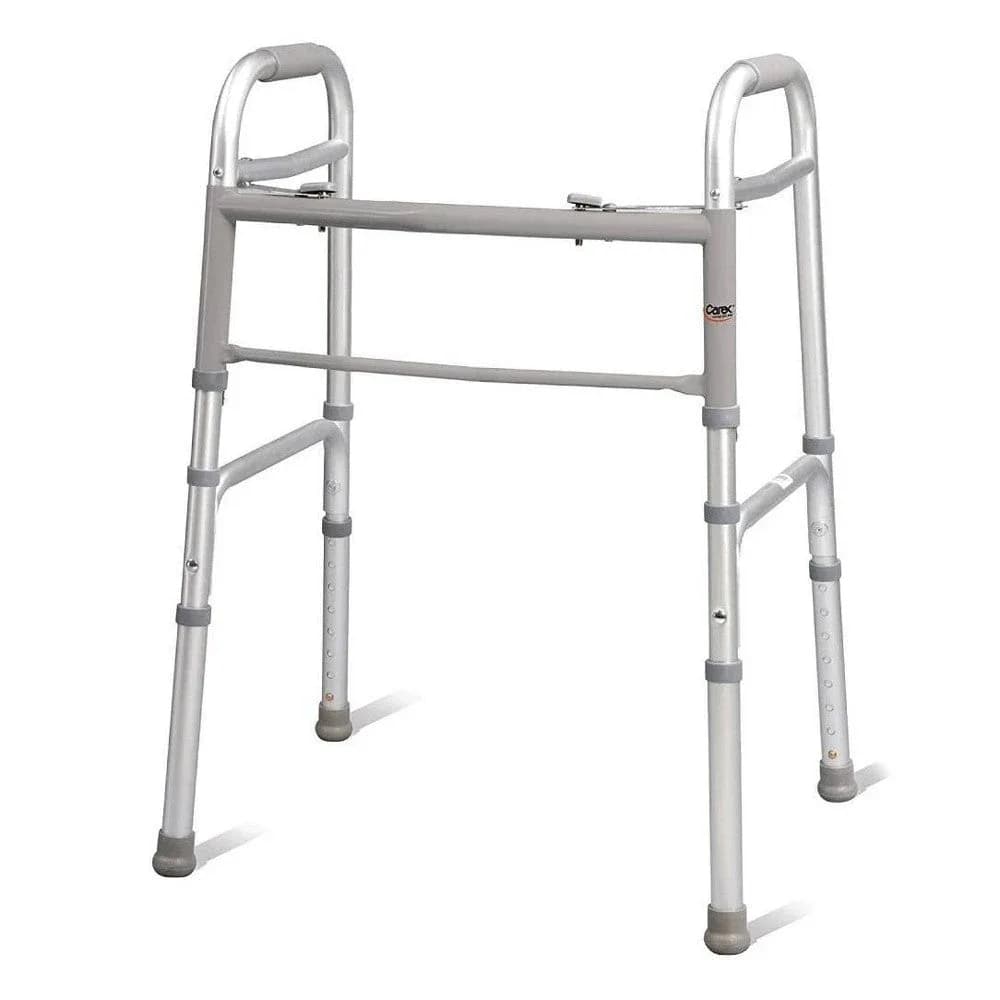
For an elderly parent who is unsteady on their feet, the right mobility aid can prevent falls and help them stay independent. But walkers, wheelchairs and commode chairs each suit different needs, and the wrong one can make things harder.
This guide explains who each aid is for and how to choose. A physiotherapist can assess the patient and recommend the safest option.
Which aid suits which patient?
| Aid | Best for | Not ideal when |
|---|---|---|
| Walker | Patients who can stand and walk but need support and balance | The patient cannot bear weight or tires after a few steps |
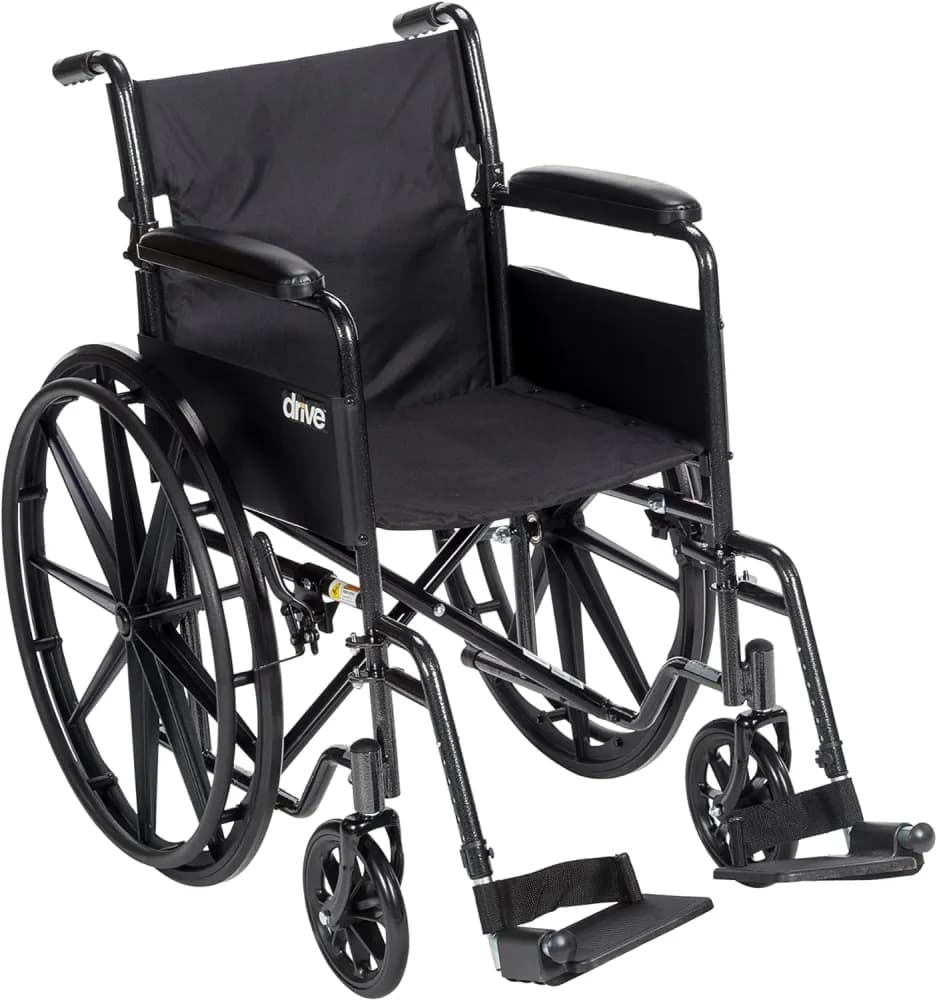
| Wheelchair | Patients who cannot walk safely or far, hospital visits, outings | The patient can walk and needs to keep their strength up |
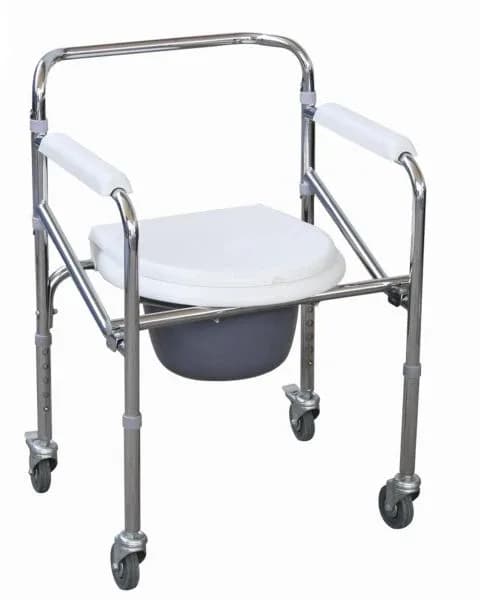
| Commode chair | Toileting at the bedside, especially at night | The bathroom is close and the patient walks safely |
| Hip-high chair | Sitting and standing after hip or knee surgery | The patient has no difficulty standing from a normal chair |
Choosing and sizing a walker
- Height: with the patient standing straight and arms relaxed, the hand grips should be level with the wrist crease.
- Folding walkers are easier to store and take in a car.
- Walkers without wheels are the most stable; walkers with front wheels are easier to push for patients who cannot lift a walker.
- Keep the walker close, step into it rather than pushing it far ahead, and never use it on stairs.
Choosing a wheelchair
- Measure doorways and the bathroom entrance before choosing.
- A folding wheelchair fits in most car boots, which helps with hospital visits.
- Swing-away footrests make transfers in and out of the chair easier and safer.
- Always apply both brakes before the patient gets in or out.
Why a commode chair matters
Many falls happen at night on the way to the bathroom. A commode chair beside the bed removes that risk. Models with wheels and footrests can also be pushed to the bathroom or used in the shower by a caregiver.
Make the home safer too
- Remove loose rugs and clear walkways.
- Add night lights between the bedroom and bathroom.
- Fit grab bars near the toilet and in the shower if possible.
- Keep everyday items within easy reach so the patient does not need to stretch or climb.
Rent first if you are unsure
Needs often change after surgery or an illness. Renting lets you try an aid and switch if it is not right. Read more about renting vs buying.
Frequently asked questions
If the person can stand and walk with support, a walker keeps them active and helps maintain strength. A wheelchair is better if they cannot walk safely or far. Many families keep both: a walker at home and a wheelchair for outings.
With the patient standing straight and arms relaxed, the hand grips should be level with the crease of the wrist, and the elbows should bend slightly when holding the grips.
This article is general information, not medical advice. Always follow the advice of the patient’s doctor or healthcare professional.
Need equipment or advice?
Our team is available 24/7 and delivers across Karachi.