By the Marrium Surgical Pvt Ltd team 20 October 2026 6 min read
If a doctor has said your patient needs a “BiPAP” or a “CPAP”, you may be wondering what the difference is, and whether one is better than the other. Both machines blow air through a mask to help a person breathe, but they do it in different ways and are used for different conditions.
This article explains the difference simply. The final decision, and the machine settings, always come from the patient’s doctor or sleep specialist.
What a CPAP machine does
CPAP stands for Continuous Positive Airway Pressure. It delivers one steady pressure of air through the mask, all the time. That steady pressure acts like an air splint, keeping the throat open during sleep.
CPAP is mainly used for obstructive sleep apnoea, where the airway repeatedly collapses during sleep, causing loud snoring, pauses in breathing, and tiredness during the day. An auto CPAP, such as the ResMed S9 AutoSet or Philips DreamStation, adjusts the pressure automatically through the night.
What a BiPAP machine does
BiPAP (bilevel positive airway pressure) delivers two pressures: a higher pressure when the patient breathes in, and a lower pressure when they breathe out. This makes breathing out easier and gives more support to weak or tired breathing.
BiPAP is often used for COPD, obesity hypoventilation, neuromuscular conditions, and patients coming home from hospital after breathing failure. Many BiPAP machines, such as the ResMed Lumis 150, also have a backup breathing rate that delivers a breath if the patient’s own breathing slows too much.
BiPAP vs CPAP at a glance
| CPAP | BiPAP | |
|---|---|---|
| Pressure | One steady pressure | Higher on breathing in, lower on breathing out |
| Main use | Obstructive sleep apnoea | COPD, breathing failure, hypoventilation |
| Backup breaths | No | Available on many models (ST mode) |
| Typical patient | Snoring, daytime tiredness, apnoea on a sleep study | Weak breathing, high carbon dioxide, hospital discharge |
And what about a ventilator?
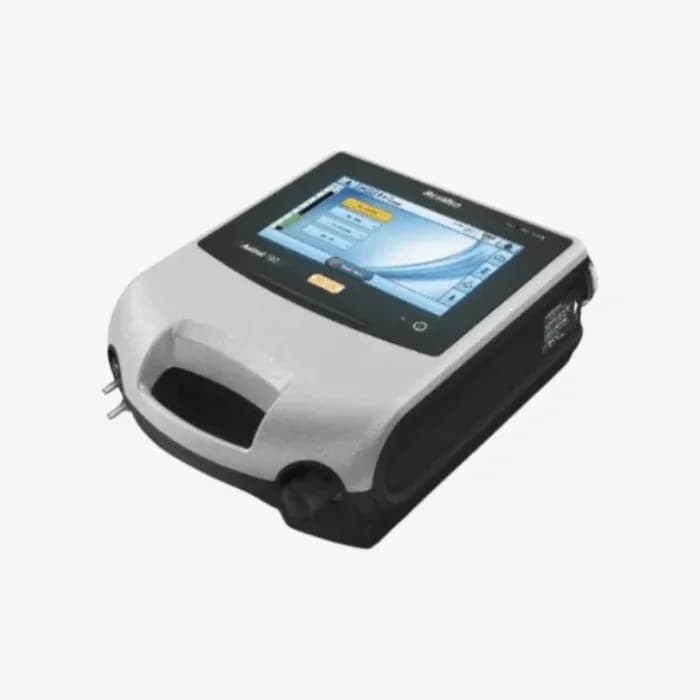
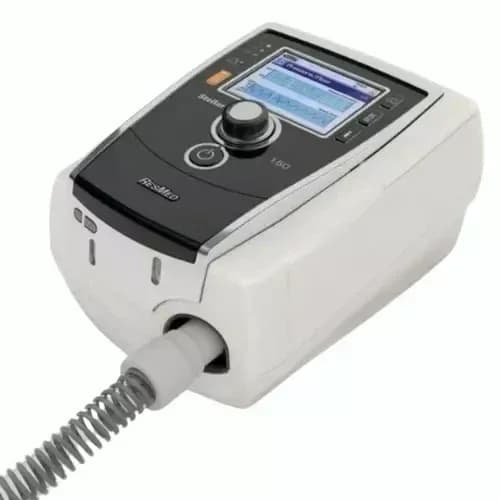
A home ventilator such as the ResMed Stellar 150 or a portable ventilator gives fuller breathing support, including through a tracheostomy, and has more alarms and safety features. It is prescribed for patients who need more help than a BiPAP can give.
Getting comfortable with the mask
- Mask fit matters more than anything else. Air leaking around the mask causes noise, dry eyes and poor treatment.
- There are nasal masks, nasal pillows and full-face masks. Patients who breathe through the mouth usually need a full-face mask.
- A heated humidifier stops the nose and throat from drying out. Use distilled water and empty it every morning.
- Most patients need a few nights to get used to the machine. Ramp settings, which start at a low pressure, help with falling asleep.
Should you rent or buy?
Renting makes sense when the patient is starting therapy, coming home from hospital, or the doctor is still adjusting the treatment. Buying usually makes sense for long-term nightly use, which is the case for most people with sleep apnoea. Read more in our guide on renting vs buying medical equipment.
Frequently asked questions
A BiPAP can be set to work like a CPAP, but which machine and which settings a patient needs must be decided by their doctor or sleep specialist.
The patient’s doctor or sleep specialist prescribes the settings. Share the prescription with the equipment supplier so the right machine is provided.
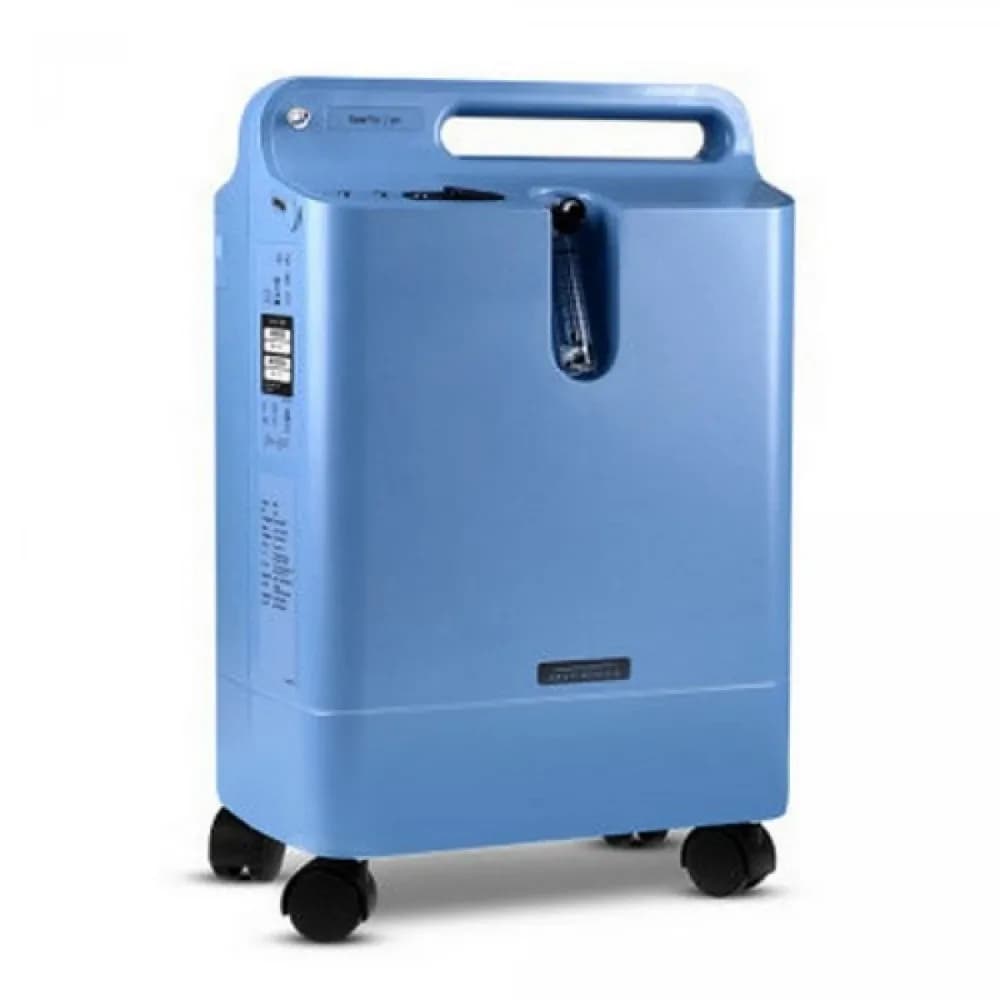
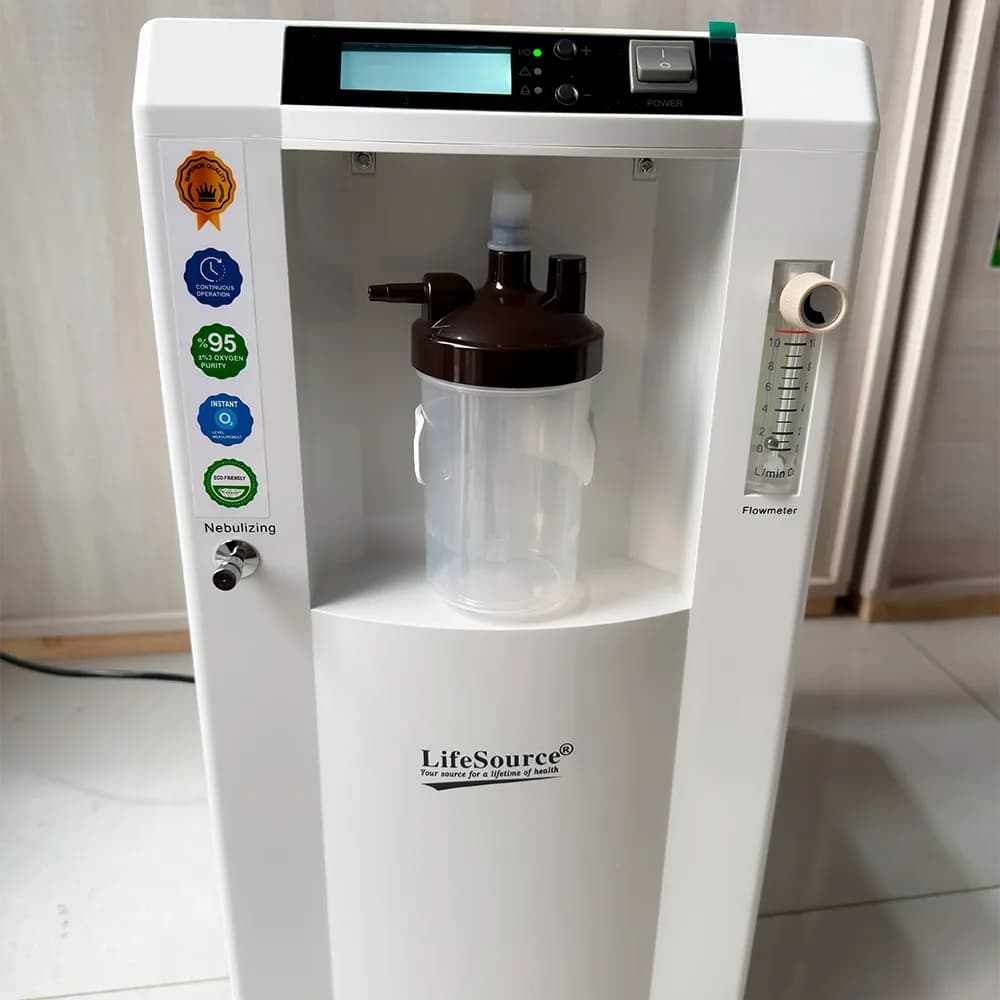
Yes. Oxygen from a concentrator or cylinder can be added to a BiPAP when the doctor prescribes it, usually through a connector at the mask or machine.
This article is general information, not medical advice. Always follow the advice of the patient’s doctor or healthcare professional.
Need equipment or advice?
Our team is available 24/7 and delivers across Karachi.