By the Marrium Surgical Pvt Ltd team 20 October 2026 6 min read
When a doctor prescribes oxygen at home, the first question most families ask is: should we get an oxygen concentrator or an oxygen cylinder? Both deliver medical oxygen through a nasal cannula or mask, but they work in completely different ways, and the right choice depends on how much oxygen the patient needs, for how long, and how reliable your electricity is.
This guide explains the differences in plain language so you can make the right decision, or the right combination, for your patient.
How each one works
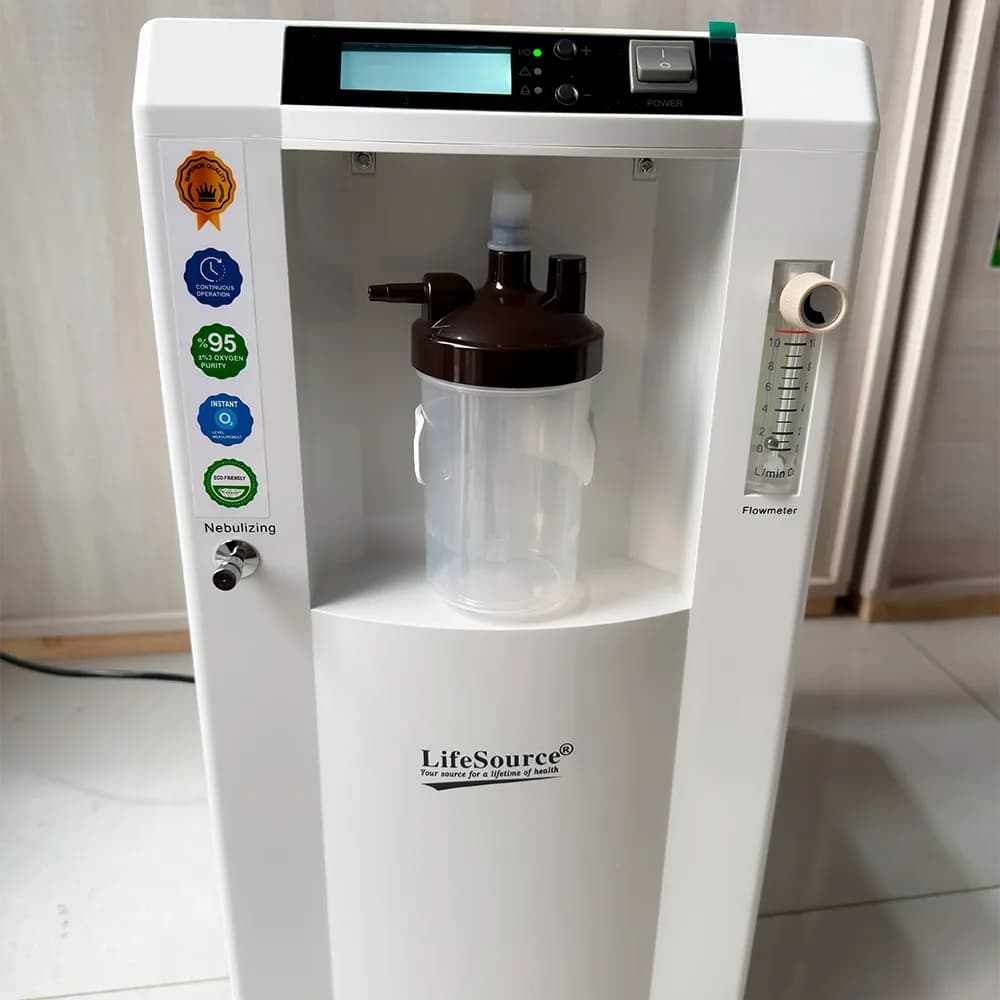
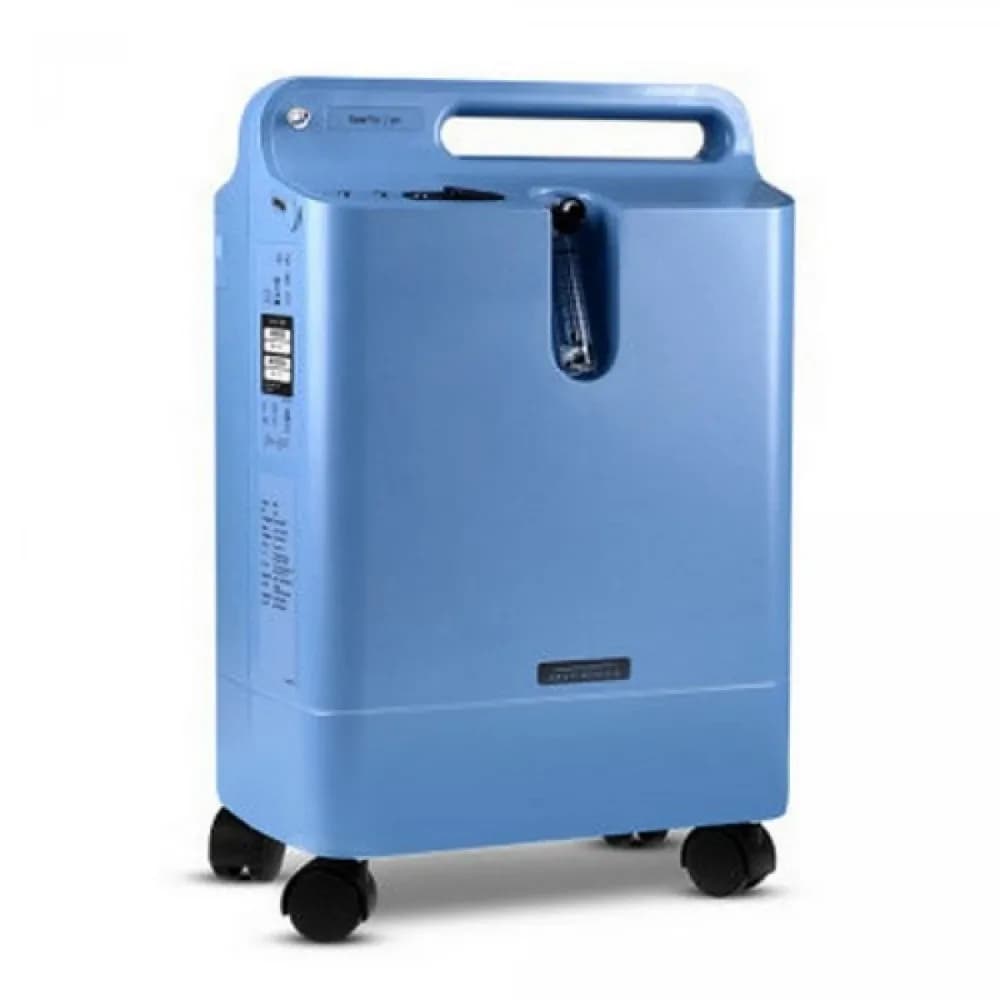
An oxygen concentrator is an electric machine that takes in room air, removes most of the nitrogen, and delivers concentrated oxygen, typically around 90–95% pure. It never needs refilling, but it needs a steady electricity supply to work.
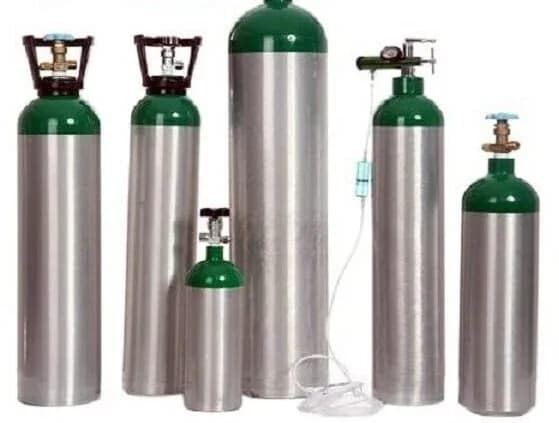
An oxygen cylinder is a metal tank filled with compressed medical oxygen. It needs no electricity at all, which makes it reliable during power cuts, but it runs out and must be refilled or swapped.
Side-by-side comparison
| Oxygen concentrator | Oxygen cylinder | |
|---|---|---|
| Electricity | Needed at all times | Not needed |
| Refills | Never | Needed regularly |
| Best for | Continuous, long-term use at home | Backup, short-term use and travel |
| Load-shedding | Stops working without backup power | Keeps working |
| Flow | Usually up to 5 or 10 litres per minute, depending on model | Set on the regulator as prescribed |
| Noise | Steady hum, like a fan | Silent |
| Safety | Keep away from flames and heat | Keep upright, secured, and away from flames, heat and oil |
When a concentrator is the better choice
- The patient needs oxygen for many hours a day, or around the clock.
- The doctor expects oxygen therapy to continue for weeks or months, for example with COPD.
- You want to avoid the cost and hassle of frequent cylinder refills.
- The prescribed flow is within the concentrator’s range (most home patients need 5 litres per minute or less; 10 litre concentrators are available for higher prescriptions).
When a cylinder is the better choice
- You need oxygen for a short time, or only now and then.
- You need oxygen while travelling, for example to a hospital appointment.
- Your area has long or frequent load-shedding and you have no backup power.
- You need a backup for a concentrator, which is the most common reason Karachi families keep a cylinder.
Why many Karachi families keep both
Because a concentrator stops during power cuts, the safest set-up for a patient who depends on oxygen is usually a concentrator for everyday use plus a cylinder as a backup. The cylinder sits ready, valve closed, and is only used when the electricity goes. Read our guide to keeping oxygen running during load-shedding for a full plan.
How long does a cylinder last?
It depends on the size of the cylinder and the flow rate. As a rough guide, a full 10 litre cylinder lasts around 10 hours at 2 litres per minute, and much less at higher flows. A large hospital cylinder lasts many times longer. Always watch the pressure gauge rather than relying on an estimate, and arrange a refill before it reaches the red zone.
Checking the patient is getting enough oxygen
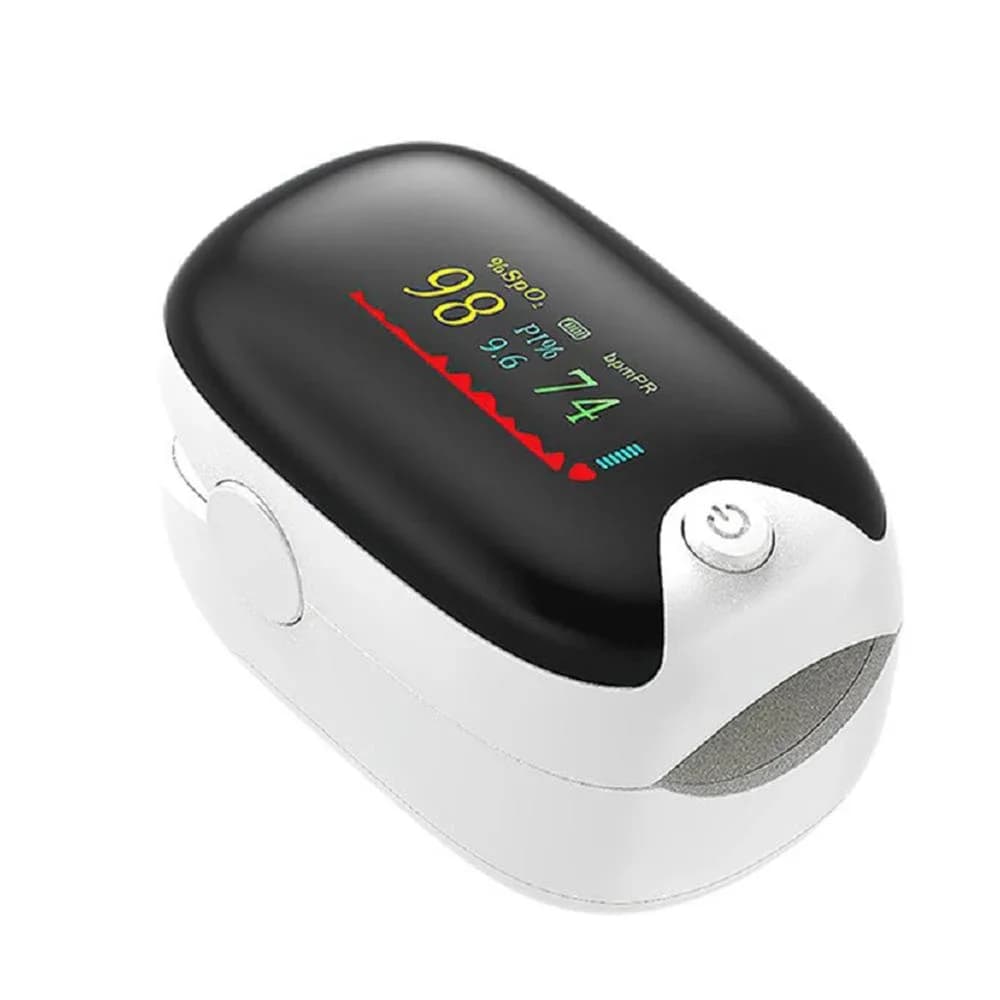
Whichever you choose, a fingertip pulse oximeter lets you check the patient’s oxygen level (SpO₂) in seconds. Ask the doctor what reading to aim for and when to call them. Never increase the oxygen flow beyond what was prescribed without medical advice.
Frequently asked questions
Yes. Home oxygen concentrators such as the Philips EverFlo are designed for continuous use. Place them in a ventilated spot away from walls and curtains, and follow the maintenance instructions.
For most home patients, yes. A concentrator delivers oxygen at around 90–95% purity, which is suitable for prescribed home oxygen therapy. Your doctor will advise if the patient needs something different.
Yes. Many families rent a concentrator for daily use and a cylinder as a backup. Mention both when you send your request.
This article is general information, not medical advice. Always follow the advice of the patient’s doctor or healthcare professional.
Need equipment or advice?
Our team is available 24/7 and delivers across Karachi.