By the Marrium Surgical Pvt Ltd team 20 October 2026 5 min read
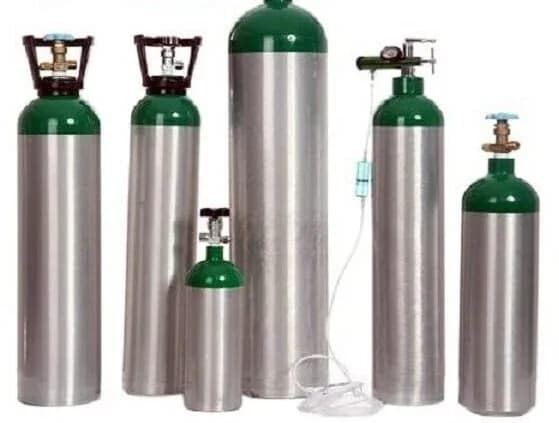
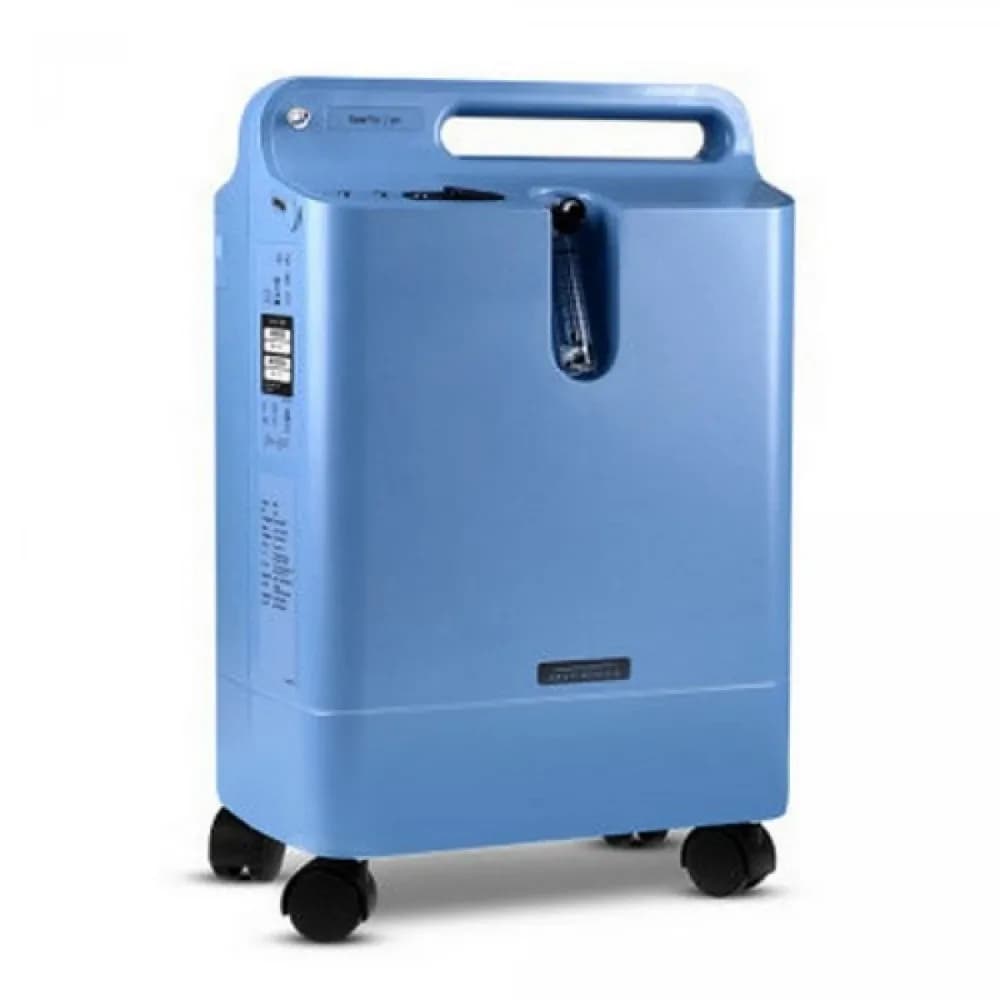
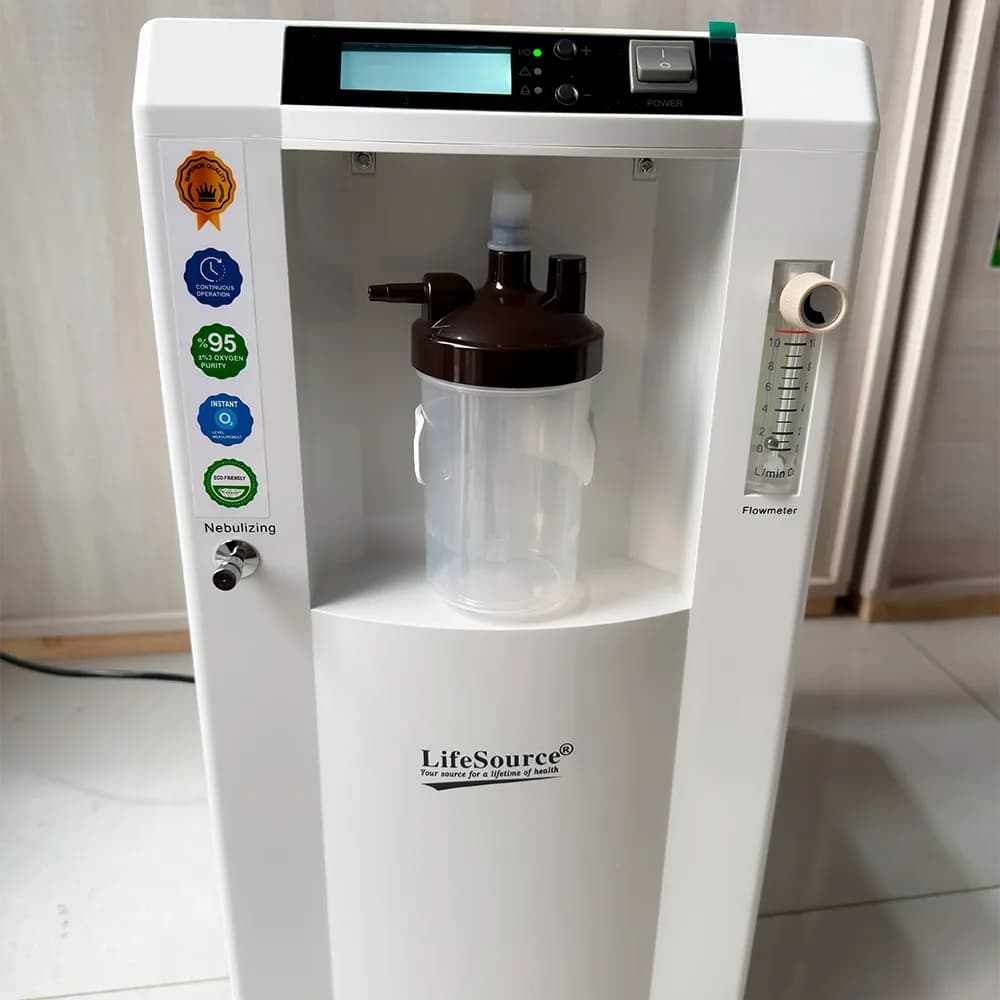
For families in Karachi caring for a patient on home oxygen, load-shedding is more than an inconvenience. An oxygen concentrator needs electricity, and when the power goes, it stops. Other machines such as BiPAPs, suction machines and air mattresses stop too.
The good news is that with a simple plan, a power cut does not have to become an emergency. Here is how to prepare.
1. Keep an oxygen cylinder as backup
The simplest and most reliable backup is an oxygen cylinder, because it needs no electricity. Keep it next to the patient with the regulator fitted and the valve closed, so it can be switched on within seconds.
Choose a size that covers your longest expected outage at the patient’s prescribed flow, with time to spare. A larger cylinder lasts longer; ask our team which size suits your patient.
2. Consider a UPS or inverter, sized correctly
A UPS or inverter can keep a concentrator running during short outages, but it must be sized properly. Check the power rating on the concentrator’s label (a 5 litre concentrator typically uses around 300–350 watts) and choose a UPS or inverter rated comfortably above it, with batteries large enough for your outage length.
An undersized UPS may switch off or damage the machine. Ask an electrician to confirm the set-up, and still keep a cylinder for longer outages.
3. If you use a generator, keep it outside
Generators produce carbon monoxide, which is deadly. Never run a generator indoors, in a closed garage or near windows. Keep fuel and the generator well away from oxygen equipment.
4. Make a simple power-cut routine
- Know your area’s load-shedding schedule, and check the cylinder gauge before each expected outage.
- When the power goes: open the cylinder valve, set the prescribed flow, and move the cannula tubing from the concentrator to the cylinder.
- When the power returns: switch the concentrator back on, wait a few minutes for it to reach full oxygen output, then switch back and close the cylinder valve.
- Arrange a cylinder refill as soon as it is running low, not when it is empty.
- Write the steps on a card next to the patient so every family member knows what to do.
5. Don’t forget other machines
- BiPAP and CPAP machines stop during power cuts. Ask the doctor what the patient should do if therapy is interrupted.
- Air mattresses slowly lose pressure without power. Check the patient and turn them regularly until power returns.
- Suction machines with batteries should be kept charged.
Warning signs to watch for
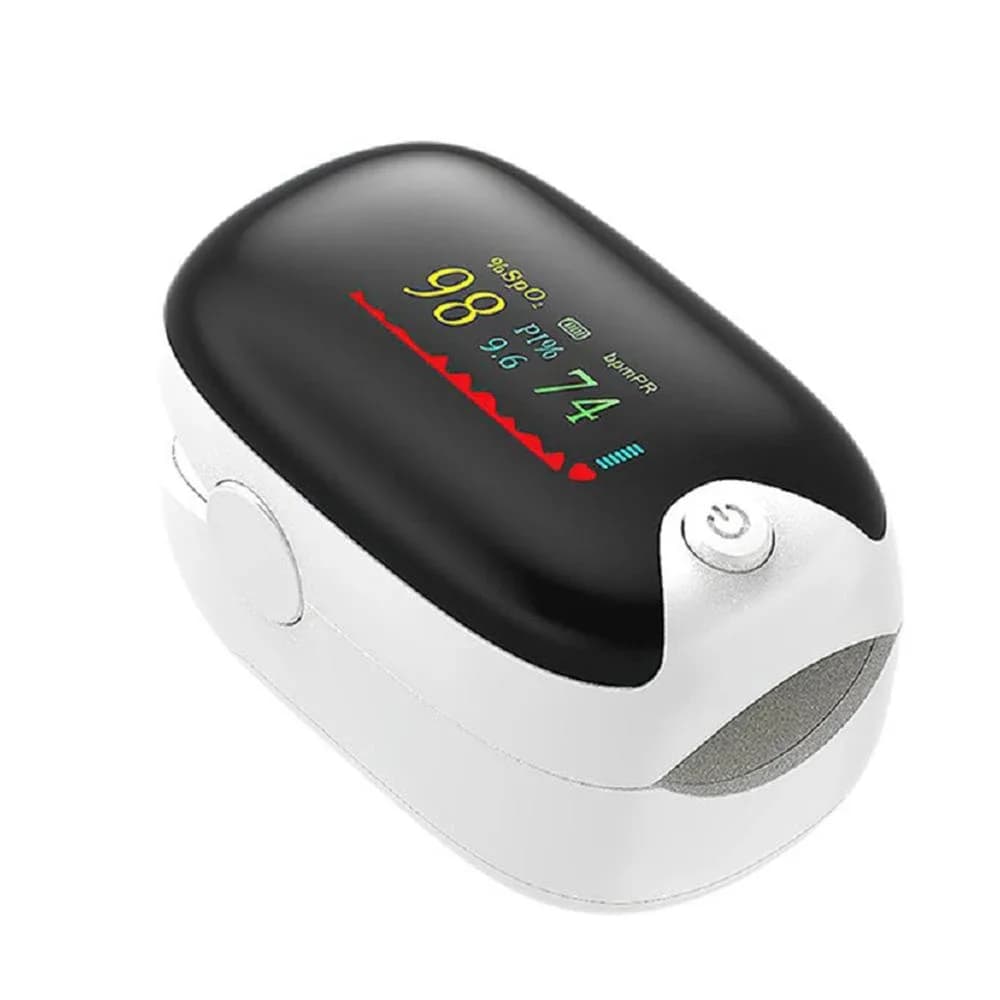
Use a pulse oximeter to check the patient’s oxygen level during and after an outage. Call the doctor straight away if the patient becomes more breathless, confused, drowsy, or their lips or fingertips turn bluish. In an emergency in Karachi, call an ambulance service such as Edhi (115) or Aman (1021).
Frequently asked questions
No. A concentrator needs electricity to produce oxygen. During load-shedding you need a backup, such as an oxygen cylinder or a correctly sized UPS or inverter.
Yes, if it is rated well above the concentrator’s power use and has enough battery capacity for the outage. Check the concentrator’s label and ask an electrician, and keep a cylinder for longer outages.
This article is general information, not medical advice. Always follow the advice of the patient’s doctor or healthcare professional.
Need equipment or advice?
Our team is available 24/7 and delivers across Karachi.