By the Marrium Surgical Pvt Ltd team 20 October 2026 7 min read
Bringing a loved one home from hospital is a relief, but the first days can be stressful if the home is not ready. A well-planned patient room makes care safer for the patient and much easier for the family.
Use this checklist before discharge day. Ask the hospital team which items your patient needs; not every patient needs everything below.
Choose the right room
- Pick a room on the ground floor if possible, close to a bathroom.
- Make sure there is space on both sides of the bed for caregivers.
- Check that doorways are wide enough for a wheelchair or commode chair.
- Have power sockets near the bed for an electric bed, air mattress pump or oxygen concentrator, and avoid long chains of extension cords.
- Good light and ventilation help both the patient and the caregivers.
The bed
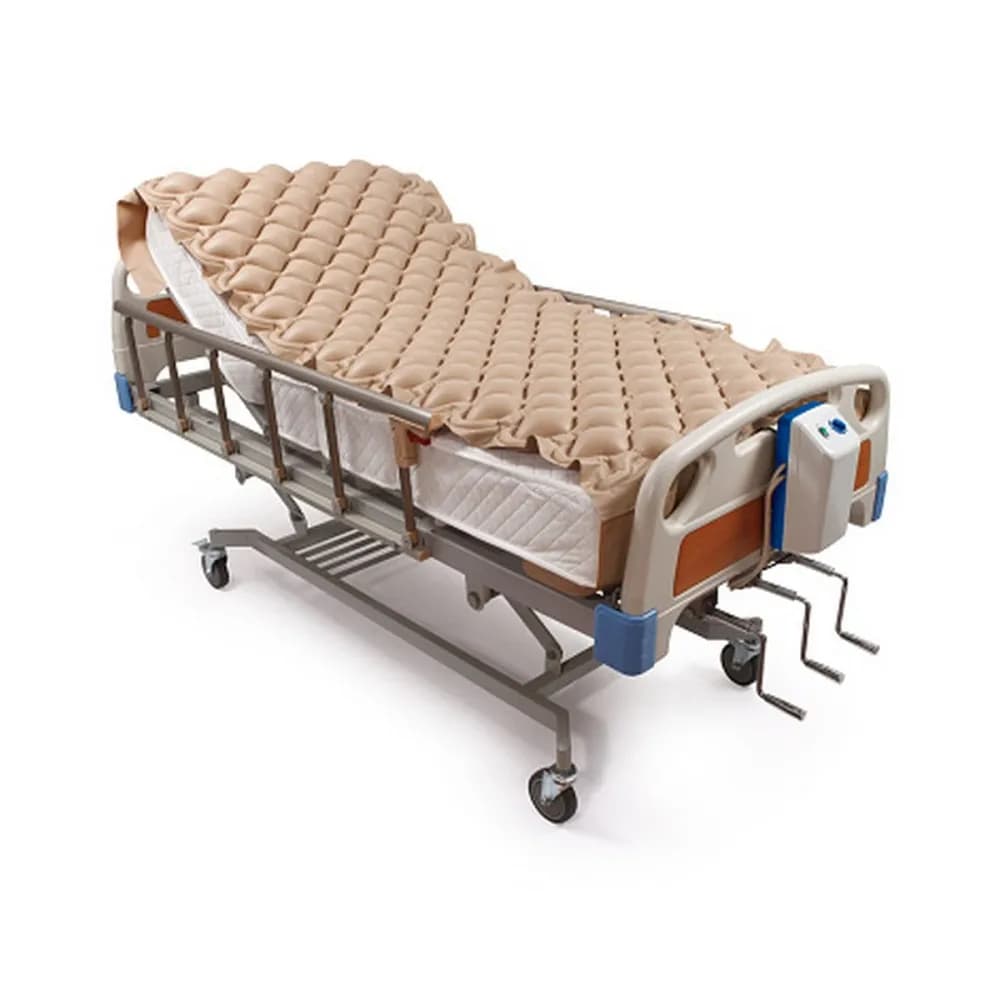
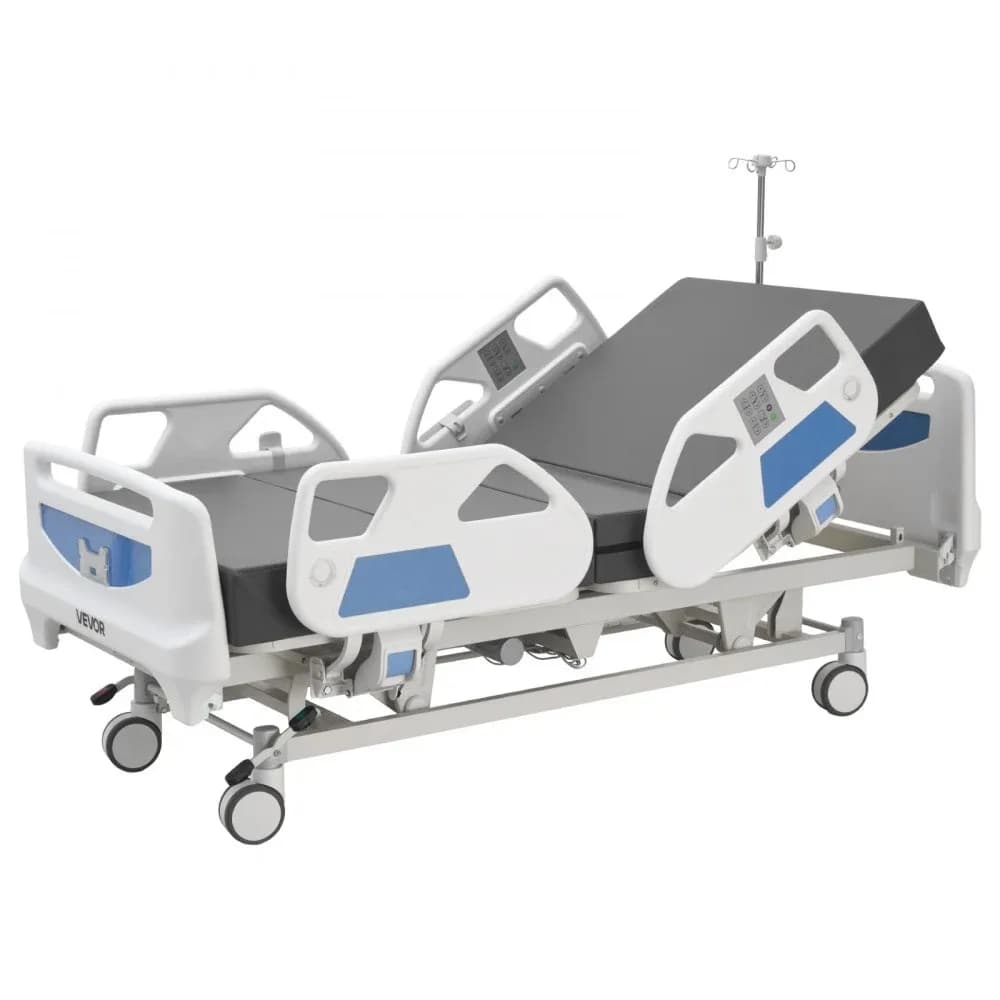
A hospital bed is the centre of the room. It lets you raise the head for meals, breathing and medicines, and raise the whole bed to waist height so caregivers don’t strain their backs.
A manual bed works during power cuts and costs less. An electric bed adjusts at the press of a button, which helps when positions change often. Fully electric ICU beds also adjust height and tilt.
Preventing bedsores
Patients who spend most of the day in bed are at risk of pressure sores (bedsores). An anti-decubitus air mattress on top of the bed mattress helps prevent them, alongside regular turning. See our full guide to preventing bedsores at home.
Toilet and hygiene
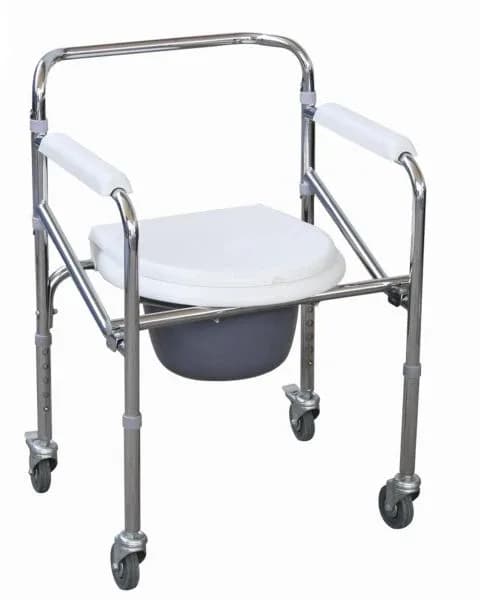
- A commode chair next to the bed avoids risky night-time trips to the bathroom.
- Keep wipes, gloves, bed pads and a covered bin within reach.
- A waterproof sheet protects the mattress.
Meals, medicines and comfort
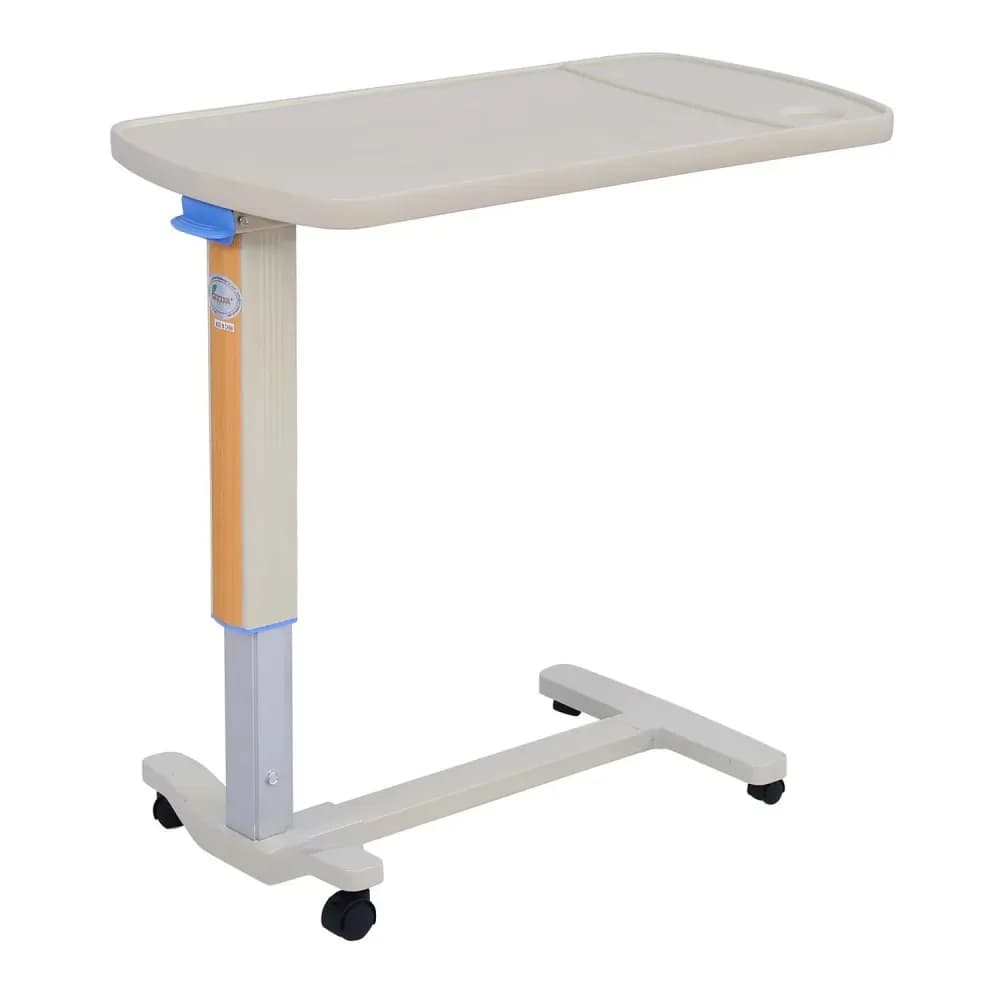
- An overbed table holds meals, water and medicines within the patient’s reach.
- Keep a written medicine schedule on the wall, and a box to sort daily doses.
- A high-back or hip-high chair helps the patient sit out of bed safely, which is good for breathing and recovery.
Breathing and monitoring equipment
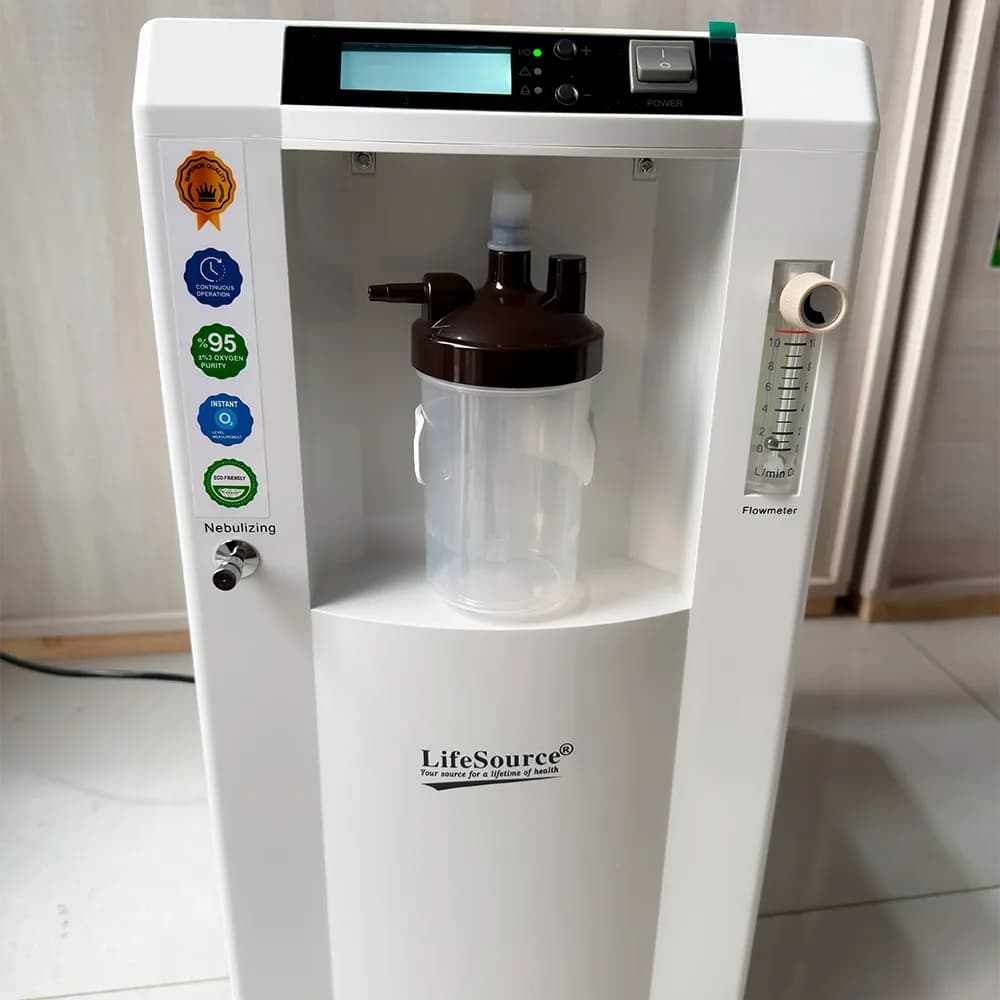
- If oxygen is prescribed, set up the oxygen concentrator and a backup cylinder before the patient arrives.
- A pulse oximeter and BP apparatus let you check vital signs as the doctor advises.
- For patients who need close observation, a patient monitor shows several vital signs continuously.
Moving around safely
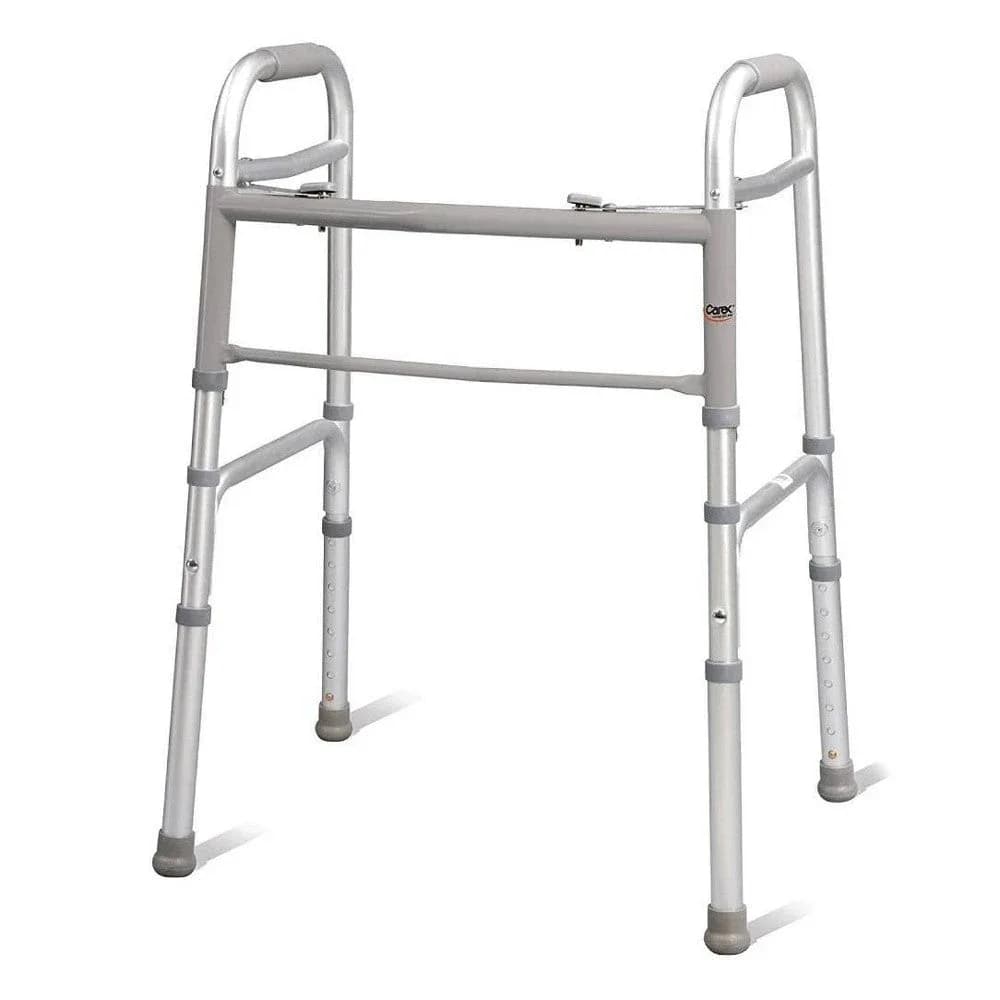
- A walker gives support for patients who can walk short distances.
- A wheelchair helps with longer distances and hospital visits.
- Remove loose rugs, clear walkways and add a night light to prevent falls.
Keep important numbers handy
Put the doctor’s number, the hospital’s number, an ambulance service (such as Edhi 115 or Aman 1021) and your equipment supplier’s number on a card near the bed. Our team is available 24/7 on WhatsApp and phone.
Frequently asked questions
It depends on the patient. Common items are a hospital bed, an air mattress, a commode chair, an overbed table and, if prescribed, oxygen. Ask the hospital team for a list before discharge.
Yes. Most home care equipment can be rented for as long as the patient needs it and returned afterwards.
This article is general information, not medical advice. Always follow the advice of the patient’s doctor or healthcare professional.
Need equipment or advice?
Our team is available 24/7 and delivers across Karachi.